In practical terms, we associate the aging of the human body with stiff, sore joints, increased levels of fatigue, digestive issues, and the increased likelihood of medical problems like cholesterol, blood conditions, and common illnesses like colds and the flu. In medical terms, there is a lot more going on behind the surface of an aging body. A physiological process, aging involves structural changes within the body’s organs, tissues, and cells. These changes cause an increased likelihood of contracting illnesses and the more common physical signs of aging. In a young, healthy body, proteolytic enzymes are naturally produced to maintain the body’s biological functions. However, as the human body ages, fewer enzymes are produced – and those that are produced have decreased levels of activity. In addition to natural solutions for joint pain and inflammation, there is solid evidence to show that proteolytic enzymes can dramatically slow and, in some instances, even reverse the aging process.
Skin Elasticity
You may have heard of free radicals – molecules that present in the human body and react chaotically, contributing to a wide range of diseases including heart attacks and even cancer. But did you know that there is a school of thought amongst gerontologists linking free radicals to premature aging? This hypothesis comes about because of the properties of free radicals which affect metabolism in such a way that normal metabolic functioning becomes all but impossible. Left untreated, free radicals can affect the entire body with various types of illness, causing premature death. Gerontologists believe that free radicals may be the most significant cause of the aging process.
Without getting into technical medical terminology, it is important to understand the role that free radicals can play with cross-linkages. Cross linkages connect chains of amino acids, but there are also undesirable types of cross-linkages occurring within connective tissues. These cross-linkages within connective tissues can reduce the connective tissue’s elasticity: one of the most visible signs of aging. If you’ve ever noticed crows feet on your eyes, wrinkles on your forehead, or loose skin on the back of your hand, you have been affected by free radicals forming cross-linkages in your body’s connective tissues. A simple way of testing your skin’s elasticity is to use two fingers to pinch the skin on the back of your hand and gently raise the skin upwards. When you release your fingers, notice if the skin immediately flattens. If it doesn’t, your connective tissues have been negatively impacted by cross-linking caused by free radicals.
Scientists throughout Europe have been experimenting with the relationship between sufficient levels of proteolytic enzymes within the body and cross-linking within the skin’s connective tissues. Through various studies, it has been shown that cross-linking can be broken down by proteolytic enzymes contained within a balanced multi-enzyme and antioxidant formula. It is believed that when a proteolytic enzyme formula is routinely taken over an extended period, noticeable improvements in the skin’s elasticity will be observed, even as the body continues to age.
Case Studies
Cholesterol And Blood Health
Plasmin and fibrin are essential for proper blood functioning and healthy cholesterol levels. At reduced levels, conditions leading to heart attacks and impaired functioning of the ears, eyes, kidney, and brain can occur. Dr. Karl Ransberger and Dr. Max Wolf, authors of the book Enzyme Therapy, have long used proteolytic enzyme mixtures in conjunction with vitamin E to treat the elderly. Their studies have shown patients benefiting from a reduction in their serum lipids (connected to cholesterol) to within normal ranges, along with increased blood health.
Gray Hair
One of the first visible signs of aging that people notice – sometimes as early as their late twenties – is gray hair. While genetics and age go some way towards determining whether your hair will gray, recent discoveries have shown that it is possible to slow and sometimes even reverse the process of graying using proteolytic enzymes. Scientists have known for some time that it is pigment cells within your hair follicles, called melanocytes, that give your hair its distinct color, or melanin. When this melanin ceases to be produced, your hair follicles turn gray. But there is more to this story. In a study conducted in 2009, it was discovered that hair turns gray because of a buildup of hydrogen peroxide within the particles of your hair, effectively bleaching your hair from the inside out. But as it turns out, hydrogen peroxide exists within the particles of your hair at every age. So, why does this hydrogen peroxide begin to build up and cause your hair to turn gray as you get older?
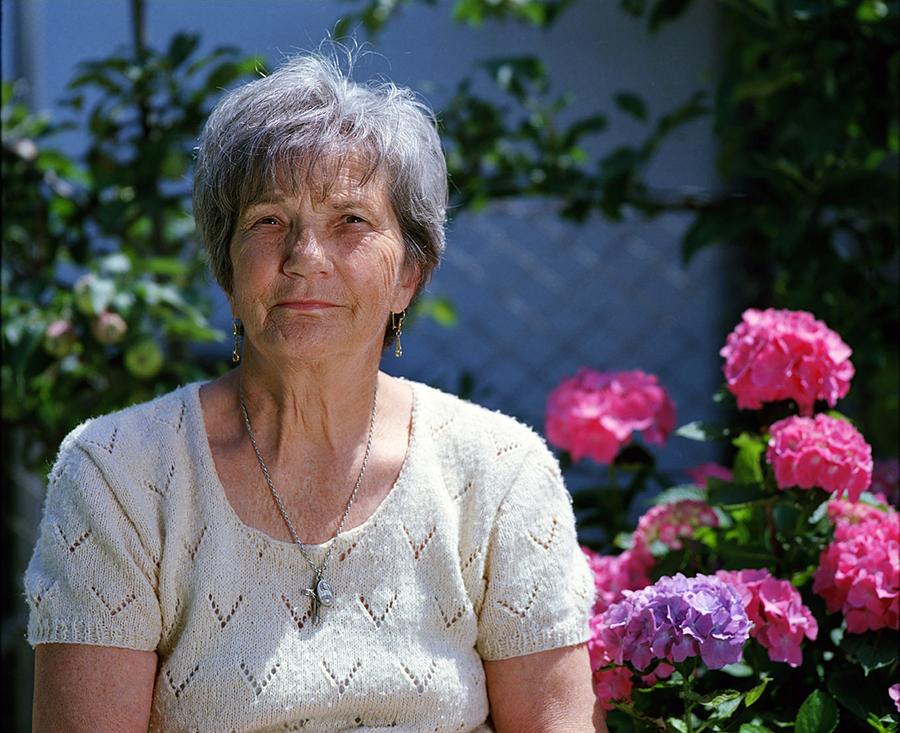
The answer, once again, comes down to an enzyme. This time, the enzyme is called catalase, and it is responsible for breaking down hydrogen peroxide into its constituent oxygen and water. But as you age, your body ceases to produce the required levels of catalase, leading to an accumulation of hydrogen peroxide. Your stubborn gray hairs are therefore little more than proof that your body’s natural levels of the enzyme catalase have been decreasing as you age.
The Link Between Diet And Aging
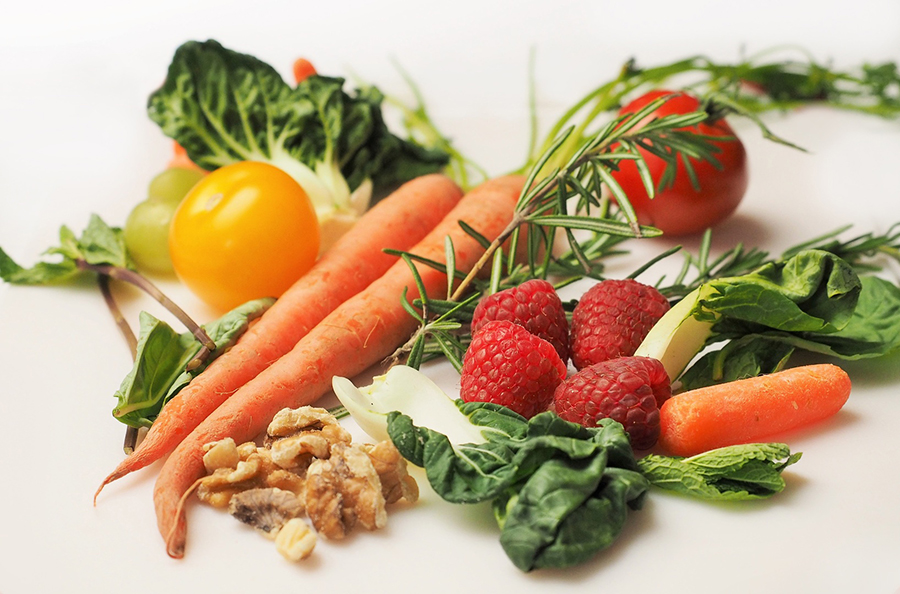
In young, healthy people, the body’s supply of proteolytic enzymes can be supplemented naturally through a healthy diet. As well as eating to fight inflammation, a healthy diet of raw, fresh ingredients free of processing, preservatives, herbicides, and pesticides can provide vital enzymes and other naturally occurring ingredients to the body. This is particularly important in the elderly and people with underlying health conditions, who are already dealing with reduced natural production of enzymes. Unfortunately, the genetic make-up of even the most natural and healthy foods today has changed markedly over the past century. For example, the nutrients found in crops today fall markedly short of those present just 50 to 60 years ago. For this reason, despite our best attempts it is not always possible to derive all of our body’s required vitamins, minerals, and enzymes from food sources alone. However, a healthy diet is always preferable to one made up of processed and unhealthy foods, particularly for those who aim to live their lives full of energy and vitality.
Enzyme Supplements
As mentioned above, as the human body ages, the amount of proteolytic enzymes naturally produced by the body begins to decrease, as does the activity level of the body’s enzymes. One of the benefits of a balanced multi-enzyme formula is the replenishment of the body’s supply of proteolytic enzymes in the elderly or people with underlying health conditions. For example, people with problems with their pancreas will naturally have problems digesting food and producing enzymes. For people with digestive problems such as lactose intolerance, proteolytic enzyme supplementation including lactase can assist with the digestion of food without digestive distress.
*
Proteolytic enzyme supplementation is an enormously helpful way of increasing levels of good health, slowing and in some respects reversing the most common physiological effects of aging. Vitalzym products are specifically formulated to include a mixture of proteolytic enzymes and other naturally occurring complementary antioxidants to help you get the most out of life for as long as possible. Using World Nutrition’s proprietary formulas, Vitalzym Cardio and the rest of the range of Vitalzym products assist in the body’s natural healing mechanisms and provide relief from inevitable injuries and illnesses. Click here to learn more about the benefits of a balanced multi-enzyme and antioxidant formula.